Collectibles guide
Tomb Raider: Legacy of Atlantis Collectibles Guide: Secrets, Relics, and Completion Tracker
Use this source-aware Tomb Raider: Legacy of Atlantis collectibles checklist to plan relics, secrets, resources, missable checks, and completion routes without inventing numbers before launch. It explains what to track, how to avoid spoilers, which official sources matter, and how verified gameplay can become chapter-by-chapter notes.
- Primary intentCollectibles
- StatusPre-release checklist
- Best for100% completion
- Evidence ruleNo fake counts
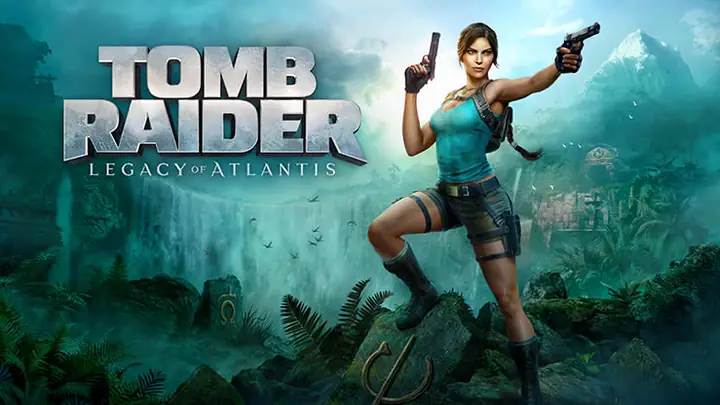
Quick answer: can you track Tomb Raider: Legacy of Atlantis collectibles yet?
You can prepare a reliable Tomb Raider: Legacy of Atlantis collectibles tracker now, but exact relic counts, secret room locations, trophy requirements, and chapter cleanup routes should wait until official previews or launch builds confirm them. The safest pre-release approach is to define the tracking categories, mark which facts are official, and avoid publishing fake maps or invented item lists.
- Track collectibles by chapter, tomb, required tool, spoiler level, and cleanup availability.
- Separate confirmed official wording from series-based expectations such as relics, secrets, resources, and challenge tomb rewards.
- Use screenshots or official video frames only when they add editorial context and do not pretend to be final maps.
- Delay exact counts, trophy links, and missable warnings until the released game or first-party previews verify them.
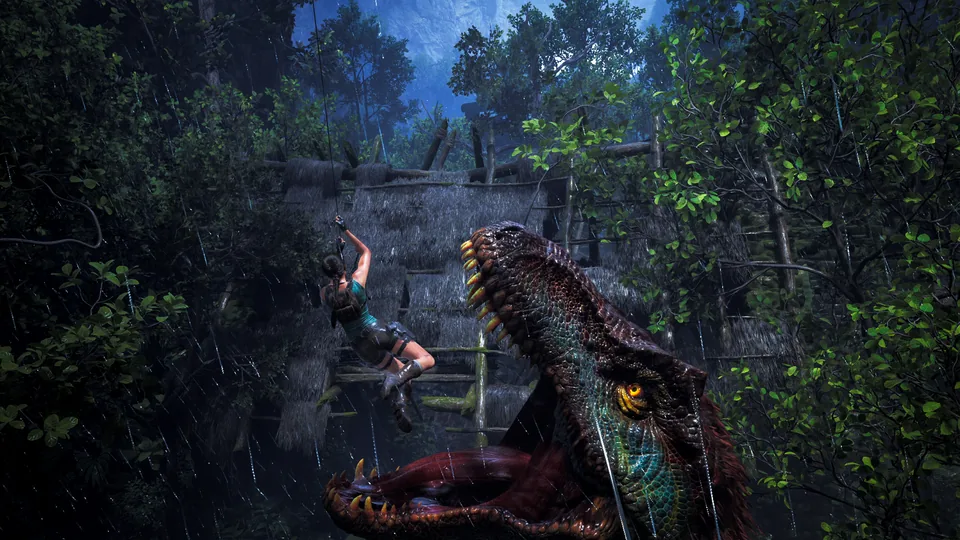
Pre-release collectibles checklist framework
A good completion page should be useful before launch without pretending to know unavailable details. The table below defines the fields TombRaider.blog will use when exact locations can be verified.
| Field | What it records | Why it matters |
|---|---|---|
| Chapter or region | The mission, hub, tomb, cave, underwater area, or return route where an item appears. | Players need to know whether they can clean up later or must reload a save. |
| Collectible type | Relic, document, artifact, resource cache, outfit, weapon part, map marker, secret room, trophy trigger, or challenge reward. | Different player intents need different filters: lore readers, upgrade planners, and trophy hunters do not scan the same list. |
| Required ability | Traversal tool, puzzle state, combat encounter, underwater access, story gate, or post-game requirement. | This prevents spoilers and stops players from wasting time before the right tool is unlocked. |
| Verification status | Official source, hands-on preview, launch build, patch version, or community report that still needs checking. | Version notes keep the guide trustworthy when patches move markers or change rewards. |
Collectible and secret types to watch
Official wording and series history point to a completion layer, but exact categories may change. Use these as search and guide buckets until the final UI and trophy list are known.
Story-linked discoveries
Atlantis-themed relics, documents, murals, and artifacts are likely to carry lore intent. Future pages should show location, context, spoiler level, and whether the object unlocks a codex entry or reward.
Optional spaces
Secret rooms, optional tombs, side paths, and puzzle chambers should be tracked separately from main-route progression so players can decide when to explore deeply.
Practical completion items
Resource caches, materials, currency-like pickups, weapon parts, outfits, and skill items should note whether they are farmable, finite, or tied to specific story gates.
Completion triggers
Trophy and achievement conditions should link back to collectible routes only after the list is official, because pre-release trophy pages often become outdated or speculative.
Missable collectibles: what to check before you follow any guide
Before launch, no page should claim a definitive missable list. Once the game is playable, every warning should be tied to save behavior, chapter replay, fast travel, post-game cleanup, and patch version.
Check return routes before marking anything missable
A collectible is not truly missable if chapter select, free roam, or post-game cleanup lets players return. Future route notes should prove the lockout, not assume it.
Use spoiler labels for story-heavy artifacts
Lore objects can reveal characters, villains, tomb themes, or late-game locations. Completion tables should separate spoiler-free hints from full coordinates.
Pair screenshots with text instructions
When real screenshots are available, they should support the written route. The searchable answer still needs to be in HTML text for readers and AI search.
Record patch version and platform
A resource counter, collectible marker, or trophy trigger can change after updates. Every exact count should carry a date or version note once the game launches.
How this guide will become a chapter-by-chapter route
After verified gameplay exists, the page should expand in a predictable order instead of becoming a vague wall of tips.
Start with spoiler-light chapter names
List route order, hub names, and tomb entrances only after official or playable evidence confirms them.
Add collectible counts after map verification
Publish counts by area, then add individual item rows with nearest checkpoint, required ability, and cleanup route.
Connect trophies and achievements last
Once official trophy or achievement lists are visible, connect each completion trophy to the relevant collectible rows and warnings.
Completion notes before launch
The most useful collectibles guide before launch is a ruleset for evidence. If a page says there are exact relic totals, secret doors, trophy routes, or chapter maps before those details are visible in official footage, it should be treated as speculative. TombRaider.blog keeps the tracker format ready so that confirmed information can be added quickly without rewriting the intent of the page.
Completion players should also separate search goals. One player may want a spoiler-light list of missed regions, another may need every artifact for lore, and a trophy hunter may care only about conditions tied to achievements. A clean tracker lets those paths coexist without forcing spoilers into the first answer.
After launch, each row should include an item name, area, nearest checkpoint, required ability, spoiler level, cleanup route, screenshot reference, and version note. If a later patch changes an item marker or trophy trigger, the guide should preserve the old note and clearly mark the updated route.
Sources to use before exact locations are published
Official and first-party sources should define the boundaries for this page. Rumor videos, fake demo downloads, and autogenerated trophy pages are not enough for exact route claims.
FAQ